Every wondered how much you could save on energy bills with a new build?
We actually covered this in February 2023, where we looked how much you could save buying a new build or upgrading your existing home. However with energy price changes and government grants the benefits are not always that simple.
-
New builds are 21% cheaper to run than older homes, putting an extra £421 a year back in your pocket
-
You can slash your household emissions by up to 74% (without having to recycle your own bathwater or live by candlelight)
-
High-tech features like solar panels and heat pumps can add 6% to your home’s value – but the total cost of retrofitting an older home to modern standards costs anywhere from £23,100 to £83,000
We’ve all felt it lately. That sharp intake of breath when the energy bill lands in your inbox and feels more like a mortgage statement.
Whether you’re living in a Victorian terrace, a charming cottage or a ‘40s semi, the sting of modern energy costs is a universal experience.
Unless you live in a new build, that is.
Because a new build isn’t just a fresh start. In reality, they’re built for energy preservation and efficiency down to their very bones – like a thermal blanket for your finances.
From high-spec insulation and air-source heat pumps to solar panels and EV chargers, these homes save you serious money on energy bills every month.
Let’s see exactly how much of a difference that makes compared to an older home, with the latest cold, hard facts from the Home Builders Federation and Octopus Energy.
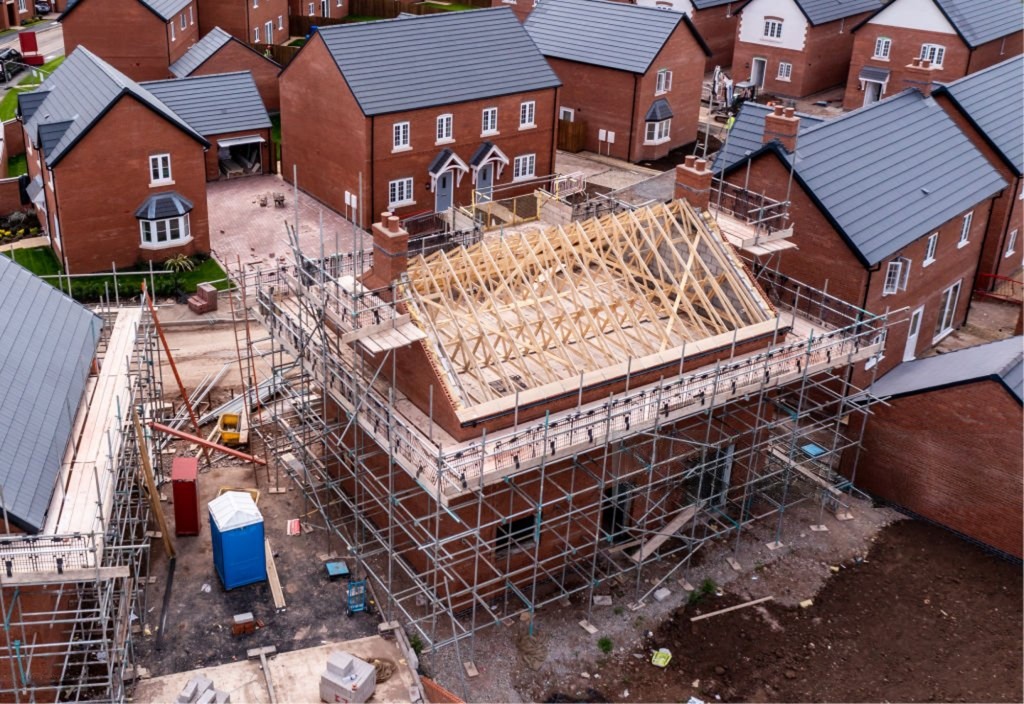
New builds save you over £420 every year
The most immediate energy-related benefit of a new build is the savings in your monthly bills.
On average, new-build homes are 21% cheaper to run than older properties because they’re far more energy efficient.
New build homeowners spend an average of £1,574 a year on energy, compared with £1,995 for those in older homes – a saving of £421.
If you’re moving from a property with an F or G EPC rating, you’ll feel even more of a saving. A new build is £618 a year cheaper to run.
You pay a 27% energy premium in older homes
Living in an older home effectively means paying a 27% premium just to keep the rooms warm.
People living in typical older homes spent an average of 27% more on overall energy costs last year compared to new build owners.
For those in F and G rated homes, that figure jumps to 39%.
New builds cut your carbon emissions by 74%
We all want to do our bit for the planet. A new build cuts your household carbon emissions by up to 74% every year compared to the least efficient older homes.
Virtually all new builds have an A or B rating, emitting around 2,179kg of carbon annually.
On the other hand, a typical older home (EPC D) produces 3,266kg (50% more). F or G rated homes produce 3,787kg, which is 74% more than a new build.
The expensive alternative: Retrofitting an older home to modern standards
Your home is your biggest asset, and energy efficiency is now a major driver of market value.
Research by Octopus Energy found that heat pumps, solar PV and EV charging points can add a 6% premium to a home’s market value.
But retrofitting comes at a cost.
Upgrading an older home to match the energy efficiency of a modern new build is a massive undertaking, costing between £23,100 and £83,000.
Energy efficiency isn’t the only benefit
If the lower bills haven’t already convinced you to pack your bags, there’s more to a new build than just a friendly relationship with your smart meter.
Choosing new comes with a few major perks that make the moving process – and life afterwards – a lot less stressful.
Exclusive buying schemes: One of the biggest wins is the leg-up to actually get through the door. From Own New Rate Reducer to Shared Ownership, there are a range of new-build schemes that make the maths of buying a home work in your favour.
Long-term warranties: Normally, a leaky roof or a temperamental boiler is your week (and savings) ruined. But most new builds come with a 10-year warranty, which is essentially peace of mind in a contract.
-
Defects that occur after the two-year insurance period
-
Minor structural defects that are not the result of poor building work
-
Problems with damp or condensation that aren’t caused by the builders
-
Natural wear and tear
-
Damage caused by bad weather
-
Issues that occur because you failed to maintain your property
The blank canvas and personalisation: You don’t have to spend your first 6 months remedying somebody else’s ‘creative’ DIY choices. You get a fresh, neutral space from day one and many developers let you pick your own kitchen units, tiling, flooring and more.